Start with what they actually make
Before comparing prices, confirm the supplier focuses on the helmet category you need: full face, open face, half or off-road. A factory that builds your product type every day will give better feedback on construction, fit and finish than a general trading company.
Ask which models are in current production and which are older tooling. Current models usually mean steadier component supply and more reliable delivery dates.
Verify the company behind the website
Request the business license and match the company name to the one on the invoice. Note whether you are talking to a factory or a trading company — both can work well, but you should know which one holds responsibility for quality and lead times.
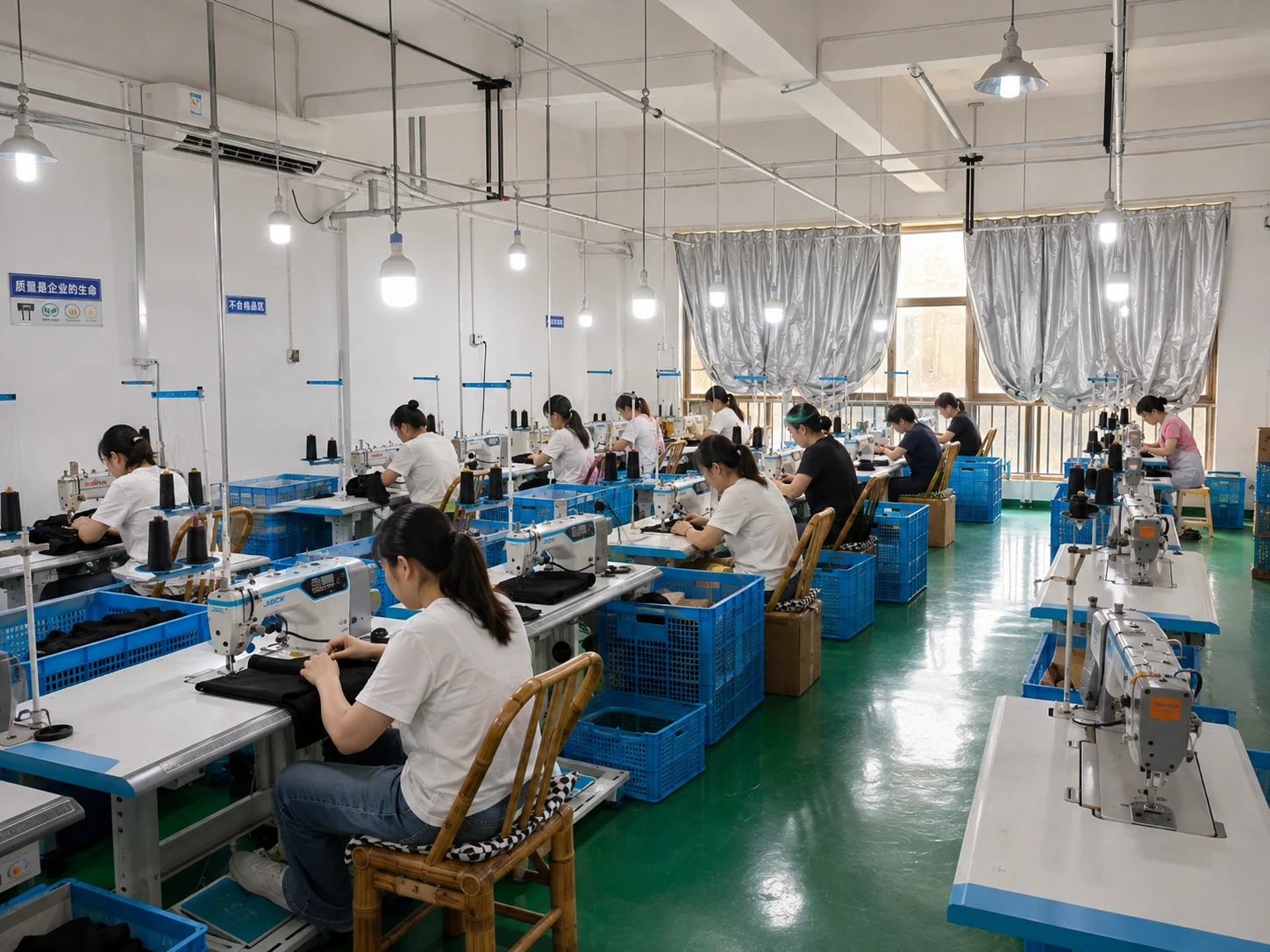
If a factory visit is not practical, ask for a live video walkthrough of the workshop. Most established manufacturers can arrange this within days.
Match certificates to your exact market
Certification is model-specific. Ask for test reports and certificates that match the exact model you plan to buy, not a similar one. Check the standard your market requires — ECE for Europe and DOT (FMVSS 218) for the United States. Many other markets accept DOT, while some countries add their own standards, so confirm the exact requirement for your destination before you order.
Also confirm who holds the certificate: the factory itself or a third party. If you plan private-label sales, ask how certification works under your own brand.
Sample before you commit
Order a sample of the exact configuration you intend to buy: shell size, liner, visor, finish. Review stitching, strap attachment, buckle action and paint quality under good light.
How the supplier handles your sample order is a preview of bulk production. Fast, precise answers during sampling usually mean fewer surprises later.
Look inside production and quality control
Ask where quality checks happen: incoming materials, in-line assembly, and final inspection before packing. Request the inspection standard they apply and whether third-party inspection is welcome.
Check capacity against your program. Two focused production lines with realistic monthly output often serve a new buyer better than a factory juggling many large accounts.
Confirm export experience, then start controlled
Review which markets the supplier already ships to and the documents they can provide: packing lists, commercial invoices, certificates of origin. Experience with your destination prevents customs delays.
For the first order, keep the assortment tight and the quantity moderate. A controlled pilot order proves the whole chain — production, inspection, packing and documents — before you scale.